
Contact
```


Elevate Your
Self-Care
Discover the world of relaxation and rejuvenation with our Wellness blog! From expert wellness tips to the latest Wellness treatments, we bring you insights to help you unwind, refresh, and glow from within. Stay tuned for self-care inspiration and holistic healing practices!

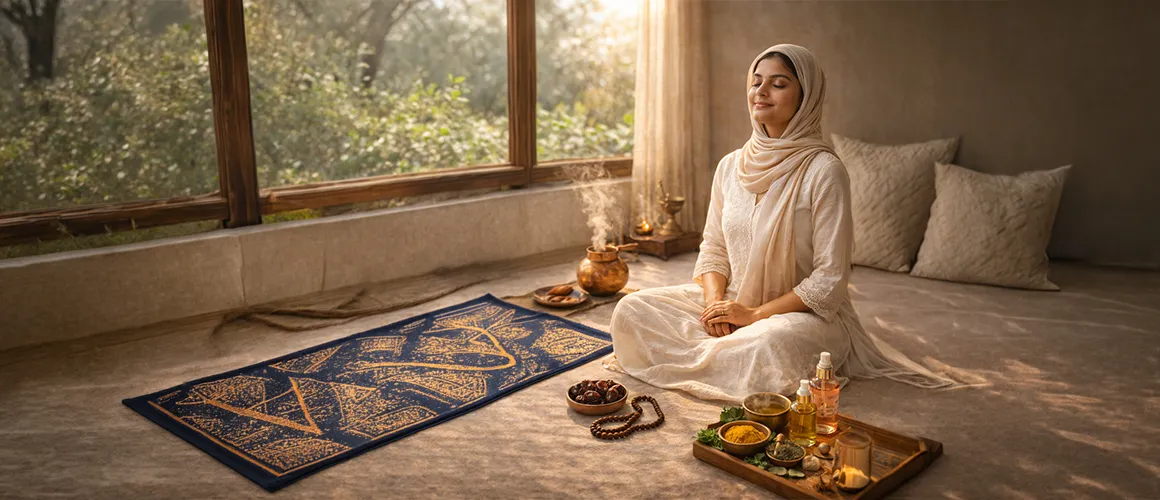
Ramzan is a sacred month of spiritual reflection, discipline, and fasting — but after 30 days of significantly altered eating and sleeping patterns, your body often needs thoughtful care to recalibrate. The digestive fire weakens, energy levels fluctuate, and toxins (or ama in Ayurveda) can accumulate beneath the surface. This is where post-Ramzan detox through Panchkarma becomes a powerful, time-tested solution. An ancient Ayurvedic cleansing system, Panchkarma works at a cellular level to restore balance, rebuild digestive strength, and help your body transition gracefully back to its natural rhythm.
Fasting during Ramzan involves abstaining from food and water from dawn to dusk — a profound practice that deeply impacts your body's internal systems. While fasting has numerous health benefits, including improved insulin sensitivity and cellular repair (autophagy), the sudden return to regular meals after Eid can be jarring for your system.
Here are some common post-Ramzan challenges the body faces:
Understanding these patterns helps explain why a structured Ayurvedic detox is far more effective than simply "eating healthy" post-Ramzan.
Panchkarma — meaning "five actions" in Sanskrit — is Ayurveda's most comprehensive purification and rejuvenation system. It works by systematically loosening accumulated toxins from deep tissues, channelling them to the digestive tract, and eliminating them safely from the body.
Unlike modern detox trends that rely on juices or fasting supplements, Panchkarma is a personalised, medically supervised process. It works on the tridoshas — Vata, Pitta, and Kapha — the three biological energies that govern all physiological and psychological functions. After Ramzan, most individuals experience a Vata or Pitta imbalance, making Panchkarma especially relevant.
At Muktaa Ayurveda, our experienced practitioners design your Panchkarma protocol based on a detailed Prakriti (body constitution) assessment, ensuring the detox is tailored to exactly what your body needs post-fasting.
Vamana targets excess Kapha dosha, which often accumulates due to festive Eid eating. It gently induces vomiting using medicated herbal preparations to clear the upper respiratory and digestive tract. For those experiencing congestion, heaviness, or lethargy post-Ramzan, Vamana can provide immediate relief.
This is one of the most recommended post-Ramzan Panchkarma therapies. Virechana uses herbal laxatives to cleanse the small intestine and liver, both of which are under significant stress after weeks of altered meal timings. It is particularly beneficial for balancing Pitta dosha, which governs digestion and metabolism.
Basti is considered the king of Panchkarma treatments, primarily targeting Vata dosha. After Ramzan, the colon is often disturbed due to irregular eating hours. Basti introduces medicated oils or herbal decoctions through the rectum to deeply nourish colon tissue, relieve constipation, and restore gut balance.
Nasya involves administering medicated oils through the nasal passages, directly addressing the brain, sinuses, and sensory organs. For individuals who experienced frequent headaches or brain fog during Ramzan due to dehydration or disrupted sleep, Nasya offers profound neurological and mental clarity.
Though less commonly performed today, this therapy purifies the blood and is particularly useful for skin conditions or inflammatory issues that may have emerged from dietary changes during Ramzan.
Before the main Panchkarma treatments begin, the body is prepared through two essential processes:
Internal and external oleation using medicated ghee and therapeutic oil massages (Abhyanga). This softens deep-seated toxins, making them easier to mobilise and eliminate. After a month of fasting, Snehana is deeply nourishing and helps replenish cellular moisture.
Herbal steam therapy that opens channels (srotas) of the body, promotes sweating, and helps toxins move towards the gut for elimination. It also provides muscle relaxation and relief from the joint stiffness that many experience after disrupted activity patterns during Ramzan.
Panchkarma isn't just a treatment — it's a lifestyle reset. After your sessions, Ayurveda prescribes a specific Samsarjana Krama (graduated dietary regimen) to rebuild digestive strength safely. This typically involves:
This structured reintroduction of foods mirrors what your body actually needs post-Ramzan — a slow, mindful return to nourishment rather than a sudden return to rich, heavy meals.
Panchkarma is beneficial for most adults post-Ramzan, but it is especially recommended for those experiencing:
As with any therapeutic protocol, it's essential to consult a qualified Ayurvedic physician before beginning Panchkarma. Individual suitability depends on age, health condition, and current dosha balance. Learn more about personalised Ayurvedic consultations at Muktaa.
Ramzan is a month of deep spiritual renewal — and your body deserves the same depth of care in recovery. Post-Ramzan detox through Panchkarma offers a holistic, evidence-based Ayurvedic approach to help your body shed accumulated toxins, restore digestive strength, and recalibrate its internal systems with wisdom rather than force. Whether you're dealing with post-fasting fatigue, digestive issues, or simply want to start the new season feeling revitalised, Panchkarma provides a time-tested pathway back to balance, vitality, and wellbeing.
Yes, Panchkarma can be safely initiated shortly after Ramzan ends. In fact, the period right after a month of fasting is considered ideal in Ayurveda for deep detoxification, as the body is already in a partially cleansed state. However, always consult a qualified Ayurvedic practitioner before beginning.
A standard Panchkarma program typically lasts between 7 and 21 days, depending on your health goals, body constitution, and the specific therapies prescribed. Shorter 3–5 day programs are also available for those with time constraints.
Yes. Many people gain weight during Ramzan due to high-calorie Iftar meals. Panchkarma, particularly Virechana and Basti, help reset metabolism, improve fat digestion, and support healthy weight management when combined with dietary guidance.
Virechana (purgation therapy) and Basti (medicated enema) are the most effective Panchkarma treatments for digestive recovery post-Ramzan. They directly target gut health, liver function, and colon cleansing.
Certain preparatory therapies like self-Abhyanga (oil massage) and Swedana can be done at home. However, the core Panchkarma therapies should always be administered by trained Ayurvedic therapists under medical supervision to ensure safety and effectiveness.


 Visit Us